%2Ffit-in%2F250x250%2Fguide_websites%2F87676%2Fimages%2F1769751160477chatgptimagejan30202601_32_10pm.png&w=1920&q=100)
/users/eae3c464-66e5-4c4f-befb-77de8b19b7e2/ratecard/5bdeabd3ce2d9d02fa8f48d93298289e-ml0ej22s.jpg)
%2F300x300%2Fusers%2Feae3c464-66e5-4c4f-befb-77de8b19b7e2%2Fratecard%2F5bdeabd3ce2d9d02fa8f48d93298289e-ml0ej22s.jpg&w=256&q=75)
%2F300x300%2Fusers%2Feae3c464-66e5-4c4f-befb-77de8b19b7e2%2Fimages%2Flone-angler-big-catch-nc-2508.jpg&w=256&q=75)
%2F300x300%2Fusers%2Feae3c464-66e5-4c4f-befb-77de8b19b7e2%2Fimages%2Fking-mackerel-catch-nc-2595.jpg&w=256&q=75)
%2F300x300%2Fusers%2Feae3c464-66e5-4c4f-befb-77de8b19b7e2%2Fimages%2Ffishing-tours-oak-island-2498.jpg&w=256&q=75)
%2F300x300%2Fusers%2Feae3c464-66e5-4c4f-befb-77de8b19b7e2%2Fimages%2Ffishing-oak-island-2538.jpg&w=256&q=75)
%2F300x300%2Fusers%2Feae3c464-66e5-4c4f-befb-77de8b19b7e2%2Fimages%2Ffishing-adventure-north-carolina-2456.jpg&w=256&q=75)
%2F300x300%2Fusers%2Feae3c464-66e5-4c4f-befb-77de8b19b7e2%2Fimages%2Fthree-fish-oak-island-fishing-2579.jpg&w=256&q=75)
%2F300x300%2Fusers%2Feae3c464-66e5-4c4f-befb-77de8b19b7e2%2Fimages%2Fexceptional-fishing-day-north-carolina-2493.jpg&w=256&q=75)
%2F300x300%2Fusers%2Feae3c464-66e5-4c4f-befb-77de8b19b7e2%2Fimages%2Ffishing-adventure-oak-island-2479.jpg&w=256&q=75)
%2F300x300%2Fusers%2Feae3c464-66e5-4c4f-befb-77de8b19b7e2%2Fimages%2Fone-person-fishing-oak-island-2566.jpg&w=256&q=75)
%2F300x300%2Fusers%2Feae3c464-66e5-4c4f-befb-77de8b19b7e2%2Fimages%2Fsea-bass-fishing-nc-2459.jpg&w=256&q=75)
Oak Island Nearshore Charter Live Action OKI
 Oak Island
What you will be catching:
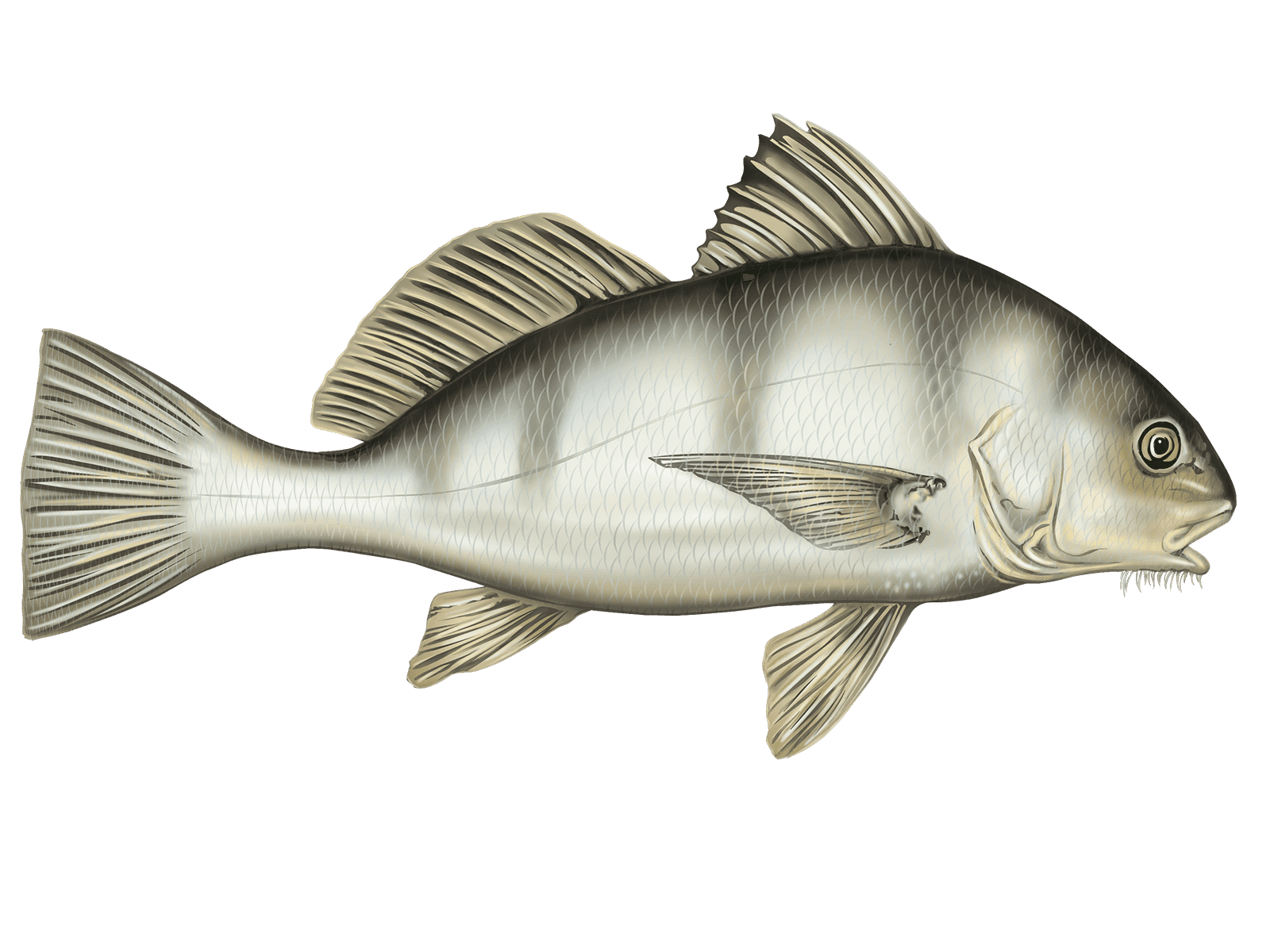
 Black Drum
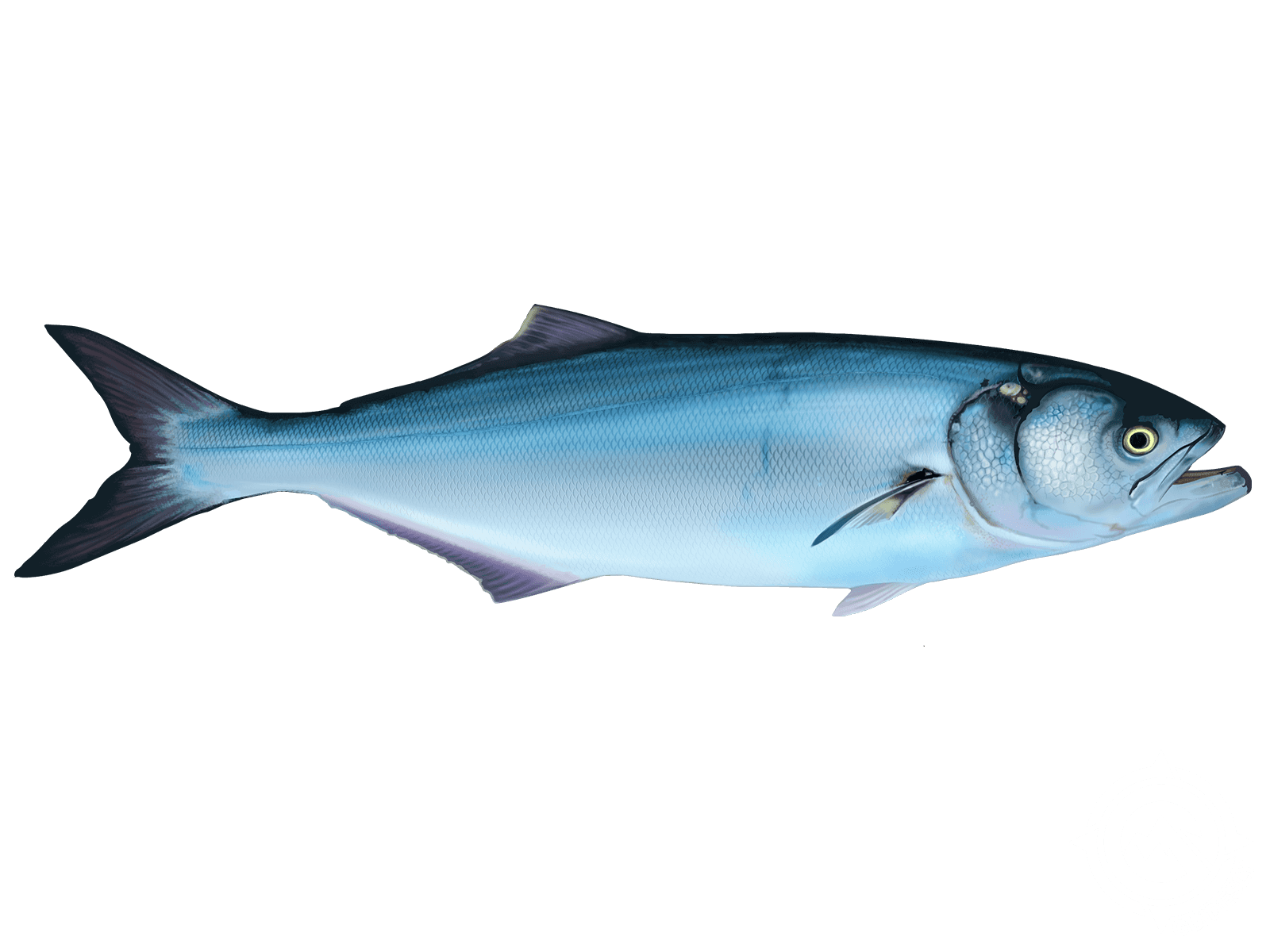
 Bluefish
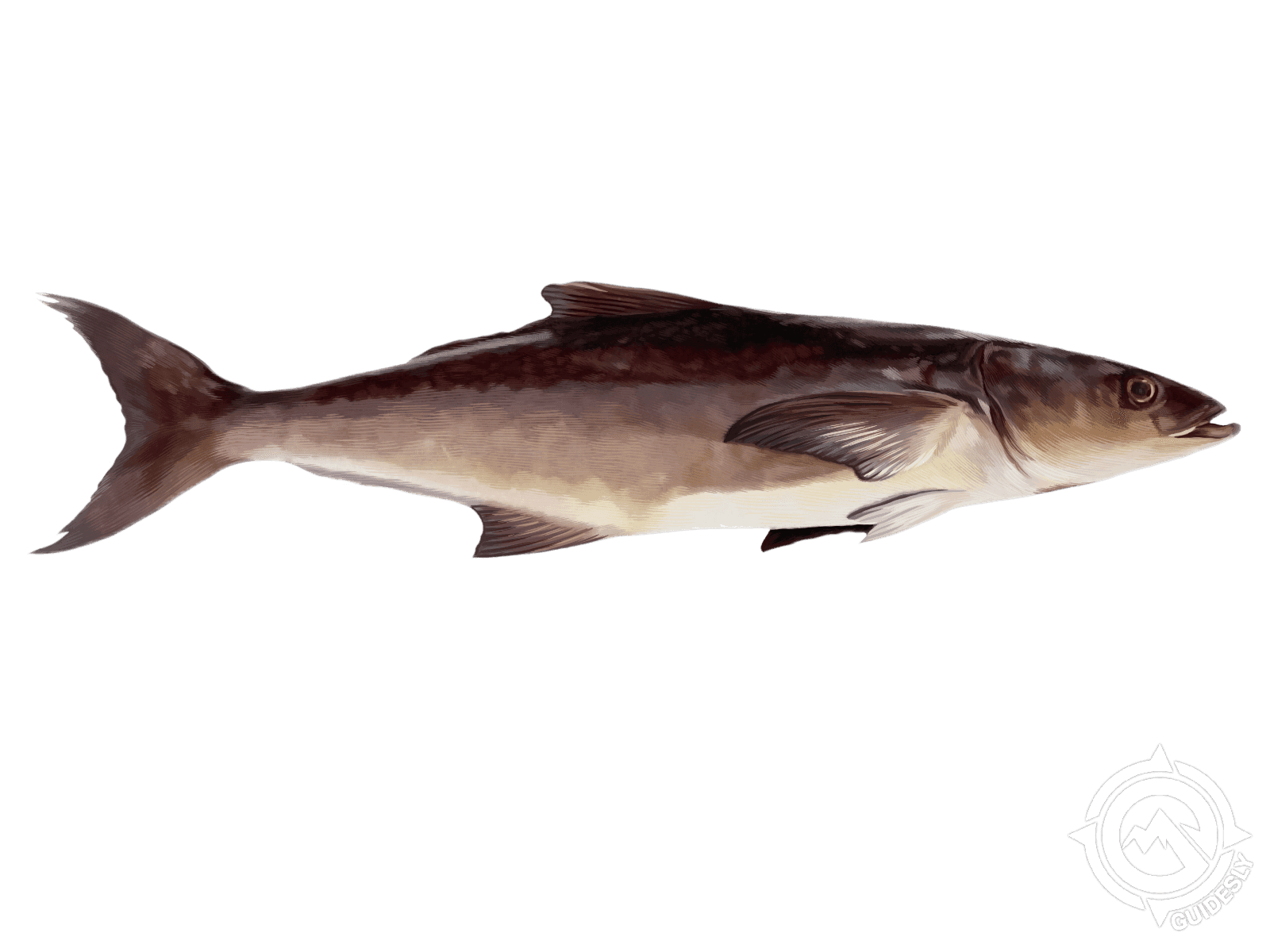
 Cobia
Cobia Great Barracuda
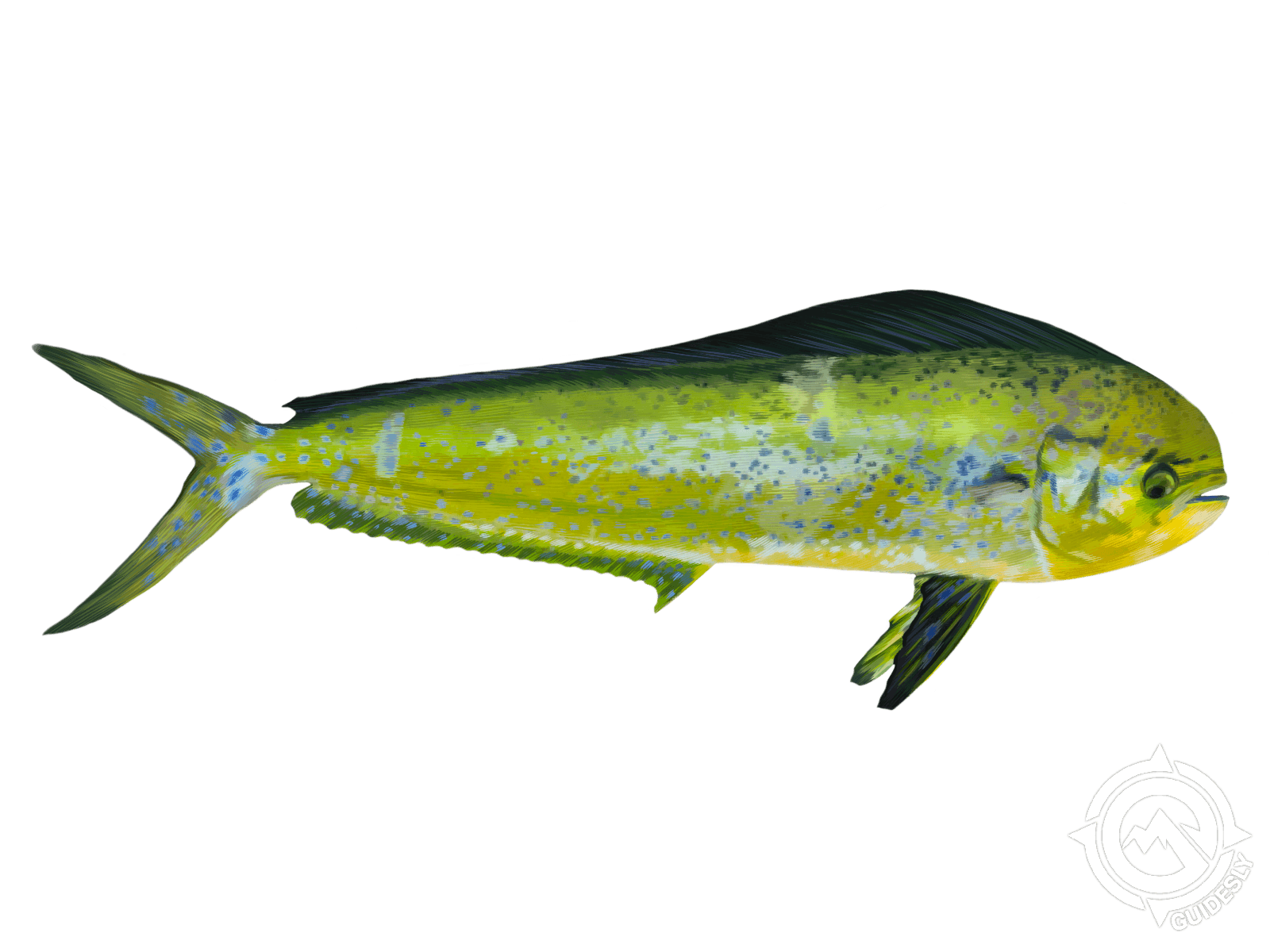
 Mahi Mahi or Common Dolphinfish
- 3-hour nearshore fishing targeting multiple species near Oak Island coast
- Full-service experience with crew assistance, tackle, and licenses included
- Accommodates up to 6 guests with beginner-friendly approach
Trip Pricing and Availabilities:
Oak Island Nearshore Fishing Charter
Looking for a solid half-day fishing trip without the commitment of burning your whole day on the water? This Oak Island nearshore charter hits the sweet spot for families, beginners, and anyone wanting to get their lines wet close to shore. You'll spend three hours fishing the productive waters just off Oak Island, where Spanish Mackerel, Bluefish, and Black Drum are regular players. The captain and mate handle all the heavy lifting - from rigging your tackle to netting your fish - so you can focus on the fun stuff. With everything included and room for up to 6 anglers, it's one of those trips that just works for everyone.
What to Expect on the Water
This charter keeps things relaxed and accessible, perfect for getting your feet wet in the nearshore fishing scene. You'll head out from Oak Island and set up in 20-40 feet of water, where structure and baitfish create prime hunting grounds for resident species. The pace is easy-going - no rushing around trying to hit multiple spots or dealing with the longer runs that offshore trips demand. Your captain knows these waters like the back of his hand and will position you over productive bottom where fish actually live, not just where they might show up. The 3-hour window gives you enough time to get into a rhythm without wearing out the kids or first-timers in your group. All your gear is provided, including rods matched to the fishing you'll be doing, fresh bait, and even your fishing licenses. Just bring sunscreen, snacks if you want them, and get ready to bend some rods.
Techniques and Tackle
Nearshore fishing around Oak Island is all about reading the water and putting your bait where the fish are feeding. Your captain will set you up with medium-action spinning rods matched to the conditions - light enough to feel every bite but with enough backbone to handle bigger drum or cobia that might crash the party. Most of the time you'll be bottom fishing with circle hooks and just enough weight to hold bottom in the current. Live or cut bait works best out here - shrimp for the drum, cut bait for the blues, and small jigs or spoons when the Spanish mackerel are schooled up. The boat carries a fish finder to locate structure and baitfish, plus all the terminal tackle you'll need. When the bite is on, you might find yourself switching between bottom rigs and casting spoons, depending on what's happening. The crew keeps everyone's lines in the water and helps beginners learn proper technique - how to feel the bite, when to set the hook, and how to fight fish without losing them at the boat.
Species You'll Want to Hook
Mahi Mahi, or common dolphinfish as some folks call them, are the crown jewel of nearshore fishing when conditions line up just right. These fish are pure energy - all neon colors and acrobatic jumps that'll get everyone on the boat fired up. Around Oak Island, mahi often show up around floating debris or weed lines during warmer months, usually May through September. They're not a guarantee on every trip since they're more pelagic, but when they're here, they make it count. A good mahi will run 10-20 pounds and fight like it's twice that size, making long runs and clearing the water multiple times. They're also excellent table fare, which makes landing one even sweeter.
Great Barracuda are the ocean's version of a freshwater pike - all teeth and attitude with lightning-fast strikes that'll catch you off guard. These silver bullets patrol the nearshore waters year-round but are most active during warmer months. They're ambush predators that love structure and baitfish schools, often lurking just off the bottom before exploding upward to grab a meal. Barracuda around Oak Island typically run 2-4 feet long and provide some of the most exciting fishing you'll find - their initial run is pure adrenaline. They're also surprisingly good eating when prepared right, despite what some people think.
Cobia are the bruisers of the nearshore world - big, brown, and built like underwater tanks. These fish cruise shallow waters from spring through fall, often following rays and sharks as they search for easy meals. What makes cobia special is their curiosity - they'll actually swim up to check out the boat, giving you shots at sight-fishing that feels more like hunting than traditional bottom fishing. A good cobia will go 20-40 pounds and fight with raw power, making long runs and testing your drag system. They're also one of the best eating fish in the ocean, with firm white meat that's perfect on the grill.
Bluefish are the workhorse species that keep rods bent when other fish aren't cooperating. These aggressive feeders travel in schools and hit just about anything you throw at them during feeding frenzies that can last for hours. Around Oak Island, blues are most active during spring and fall migrations, though some hang around all summer. They're perfect for beginners because they bite hard and fight consistently - no guessing whether you've got a fish on. Size ranges from small "snapper" blues perfect for kids to chunky 5-8 pounders that'll give experienced anglers a workout. They're oily fish that work best when bled immediately and kept on ice.
Black Drum are the steady eddie species that provide consistent action throughout the year. These bottom-dwellers love oyster beds, structure, and anywhere they can root around for crabs and shellfish. What makes drum fishing special is the variety - you might catch keeper-sized fish in the 2-5 pound range perfect for dinner, or hook into a monster 20+ pound bull drum that'll test your patience and tackle. They're strong, steady fighters that use their size and the current to their advantage. Black drum bite best on natural baits like shrimp, crab, or cut bait fished right on the bottom. They're excellent table fare in smaller sizes, while the big bulls are usually released to keep the population strong.
Time to Book
Learn more about the animals
Black Drum
Black drum are the bulldogs of our nearshore waters - powerful, stubborn fighters that can really test your tackle. These gray-black bruisers typically run 5-30 pounds, though giants over 50 pounds show up regularly around Oak Island. They're bottom dwellers that love oyster bars, muddy flats, and creek mouths in 5-40 feet of water where they crunch up crabs and shellfish. Spring is peak season when they school up for spawning, making them much easier to target. What makes drum special is their dogged fight - they'll pull drag and make long runs that wear you out. Plus, the smaller ones under 15 pounds are great eating. The bigger fish get tough and stringy, but they're fun to catch and release. Best tip: use fresh crab or cut bait on the bottom with enough weight to stay put. Listen for their drumming sounds underwater - that's how they got their name.
Bluefish
Blues are the aggressive pack hunters that make nearshore fishing exciting around Oak Island. These silver-blue speedsters typically run 2-10 pounds and are known for their razor-sharp teeth and feeding frenzies. You'll find them in schools working baitfish from the surf zone out to about 100 feet of water, especially around inlets and sandy areas. Late spring through early fall is prime time when they migrate through our waters. What guests love about blues is the fast action - when you find a school, it's often fish after fish until they move on. They hit hard, fight well for their size, and smaller ones under 5 pounds make good eating with proper preparation. The secret is to watch for birds working the surface - that's usually blues pushing bait up from below. Use wire leaders because those teeth will cut through mono in a heartbeat, and be careful handling them.
Cobia
Cobia are the brown sharks that aren't actually sharks - their dark color and single dorsal fin fool a lot of folks at first glance. These bruisers average around 30-50 pounds but can push 100+ pounds when you get into the big ones. They're loners, cruising around structure like reefs, wrecks, and channel markers in 20-100 feet of water. Spring migration from April through June is prime time when they move through our area heading north. What makes cobia special is they're both great fighters and phenomenal eating - firm, white meat that rivals any fish on the table. Guests love sight-fishing for them since you can often spot them just under the surface. Here's the key: when you see one cobia, work that area hard with bucktail jigs in the 4-8 oz range. They're usually not alone, and patience pays off with these quality fish.
Great Barracuda
Barracuda are the speedsters of our nearshore waters, built like torpedoes with razor-sharp teeth to match. Most run 2-4 feet long, but the big ones can hit 5-6 feet and really test your gear. You'll find them around reefs, wrecks, and structure in 10-50 feet of water, often cruising just under the surface. They're curious fish that hunt by sight, so they'll come check out shiny lures or anything that catches their attention. Spring through fall are prime times when they're most active in our waters. Anglers target them for the pure challenge - they hit hard, run fast at 35 mph, and jump like crazy when hooked. They're not great eating due to occasional toxin concerns, but the fight alone makes them worth pursuing. My advice: use a wire leader and watch those teeth when landing - they can still bite even after you think they're done.
Mahi Mahi or Common Dolphinfish
These golden beauties are one of the most colorful fish you'll encounter off Oak Island. Mahi typically run 15-30 pounds and average around 39 inches, though they can get much bigger. What makes them special is their brilliant color show - bright blues and greens that shift and change when they're hooked, putting on quite a display before fading after landing. They're found in warmer waters around floating debris, weedlines, or any structure that attracts baitfish. Spring through fall gives you the best shot at them when water temps climb. Guests love mahi because they fight hard, jump often, and make outstanding table fare with firm, mild meat that's perfect for grilling. Pro tip: if you see one, there's usually more around - they often travel in small groups, so keep your lines ready after landing the first one.
About the Live Action Charters OKI
%2F%2Fusers%2Feae3c464-66e5-4c4f-befb-77de8b19b7e2%2Fvehicle_picture%2Fimage1-ml0d9dov.png&w=1920&q=75)
Vehicle Guest Capacity: 6
Manufacturer Name: Mercury
Maximum Cruising Speed: 35
Number of Engines: 2
Horsepower per Engine: 150